

The healthcare industry is evolving at lightning speed—and so is how patients search for and choose their doctors. Gone are the days when word-of-mouth referrals and print ads were enough to grow a medical practice. In 2025, if you’re a doctor or healthcare professional not using digital marketing, you’re leaving a significant number of patients—and revenue—on the table.
Today’s patients are tech-savvy. They Google symptoms, compare doctors online, read reviews, and prefer booking appointments digitally. That means your online presence isn’t just a nice-to-have—it’s a critical part of your practice’s growth.
This blog will guide you through everything you need to know about digital marketing for doctors, including:
- How to build a strong online presence
- Where your potential patients are spending time online
- Which marketing strategies deliver real ROI for clinics and hospitals
- How to attract, engage, and retain patients through digital channels
- What role a specialized healthcare marketing agency can play
Whether you’re a private practitioner, a clinic owner, or a healthcare brand, this guide is tailored to help you navigate digital marketing in the medical space—and dominate your niche in 2025.
So let’s begin your digital transformation, one patient click at a time.
What Is Digital Marketing for Doctors?
Digital marketing for doctors refers to the use of online strategies and tools to promote medical services, attract new patients, and build trust in your healthcare brand. It includes everything from having a professional website and ranking on Google to running paid ad campaigns and engaging with patients on social media.
In simpler terms, it’s how you connect with patients where they spend most of their time—online.
🔄 Traditional Marketing vs. Digital Marketing
| Traditional | Digital |
| Newspaper Ads | Google Ads |
| Flyers/Brochures | SEO-Optimized Website |
| Word of Mouth | Online Reviews & Social Media |
| Billboards | Email Campaigns |
While traditional marketing still has its place, digital marketing offers better targeting, measurable results, and a much broader reach. Most importantly, it allows you to show up right when someone is searching for your service.
🩺 Key Benefits of Digital Marketing for Doctors
✅ 1. Attract More Local Patients
When someone searches “best dentist near me” or “child specialist in [City],” a strong digital strategy ensures your name appears on top—not your competitor’s.
✅ 2. Build Online Trust & Reputation
With Google reviews, testimonials, social proof, and content that educates, digital marketing helps you establish authority and build credibility in your field.
✅ 3. Offer Convenience & Accessibility
Online appointment booking, contact forms, WhatsApp chat, and virtual consultations make your services easy to access for patients.
✅ 4. Reach the Right Audience at the Right Time
Platforms like Google, Facebook, and Instagram let you target by age, location, interest, and behavior, ensuring your ads only reach those who are likely to convert.
✅ 5. Track and Improve Results
With tools like Google Analytics and ad dashboards, you can measure what’s working and double down on the strategies that bring in the most patients.
💡 Real-World Example
Let’s say you’re a dermatologist in Bangalore. With a solid digital marketing strategy:
- Your clinic ranks top on Google for “acne treatment Bangalore”
- Your Instagram page showcases before-after photos (with consent)
- You run Google Ads for “skin specialist near me”
- Your website offers an easy online booking option
- You have 100+ 5-star reviews on Google
Result? Your phone doesn’t stop ringing.
In short, digital marketing is no longer a luxury—it’s a necessity for modern healthcare professionals who want to grow their practice, increase patient trust, and stay ahead in a competitive industry.
Building Blocks of a Doctor’s Digital Strategy
Now that you understand what digital marketing is and why it matters, let’s break down the essential components of a winning digital strategy for doctors.
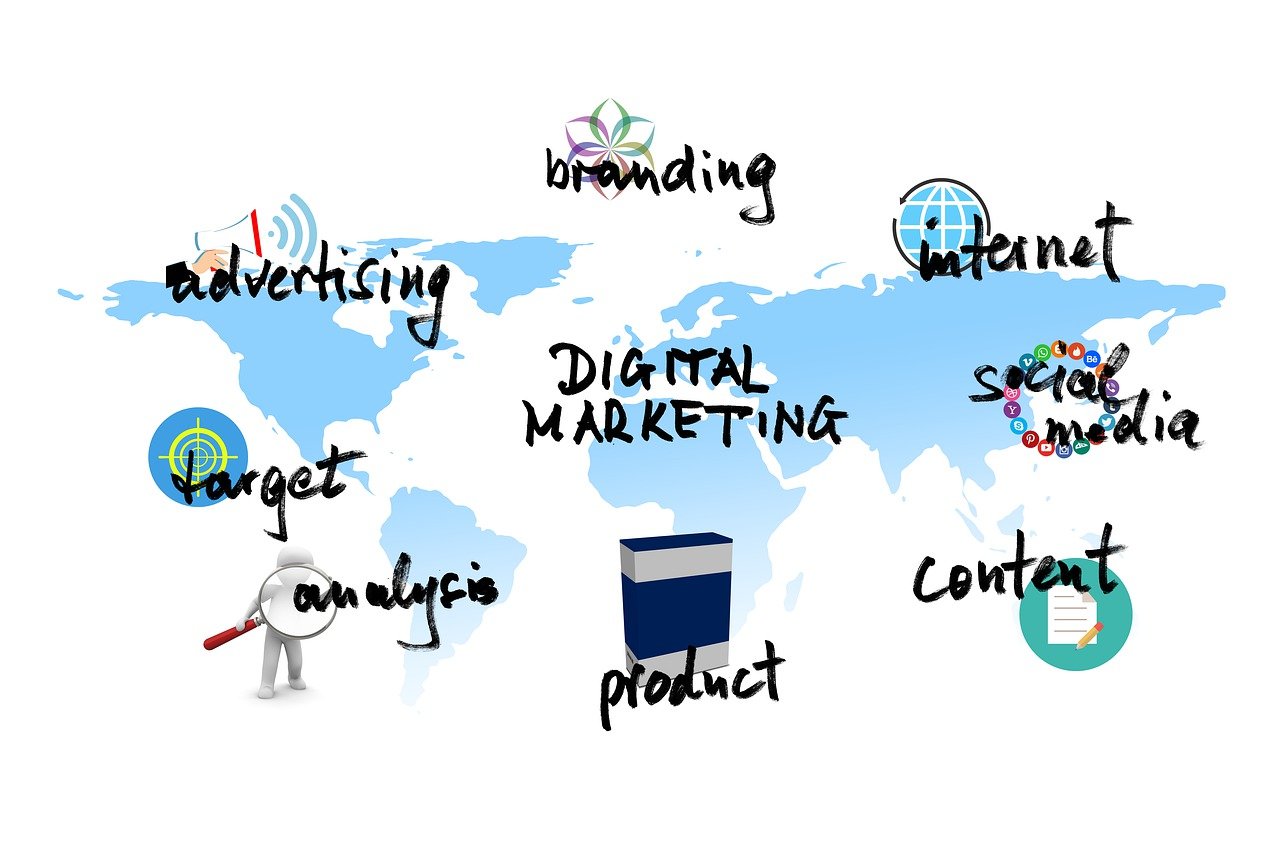
Each of these building blocks plays a crucial role in helping you attract, engage, and retain patients online.
🧱 1. A Professional Medical Website
Your website is your digital clinic. It’s the first impression most patients will have of you—and it needs to reflect trust, professionalism, and convenience.
Key Elements of a Doctor’s Website:
- Clean, mobile-responsive design
- Online appointment booking
- Clear services and treatment descriptions
- About the doctor/clinic section
- Contact info with maps and directions
- Patient testimonials and reviews
- HIPAA-compliant contact forms
A poorly designed or outdated website can cost you patients before they even walk through your door.
Keyword focus: medical website development, digital marketing agency for doctors, digital marketing for clinics
🗺️ 2. Local SEO for Doctors
Patients often search for nearby doctors using phrases like:
- “best child specialist near me”
- “dentist in [city name]”
- “orthopedic clinic near me”
Local SEO ensures your clinic shows up at the top of Google Maps and search results when people in your area are looking for your services.
Action Steps:
- Claim and optimize your Google Business Profile
- Add your clinic to directories like Practo, JustDial, Sulekha, Healthgrades, etc.
- Encourage satisfied patients to leave Google reviews
- Use local keywords on your website pages (e.g., “skin specialist in Delhi”)
Keyword focus: local SEO for doctors, SEO for doctors’ websites, online reputation management for doctors
✍️ 3. Content Marketing for Medical Practices
Your expertise is your greatest marketing asset. Sharing it through blogs, videos, infographics, and guides helps:
- Educate patients
- Improve SEO rankings
- Establish trust and authority
What You Can Create:
- Blog posts answering common health questions
- Treatment procedure explainers
- YouTube videos or Reels (e.g., “What to Expect in a Root Canal”)
- FAQs about your specialties
Keyword focus: content marketing for medical practices, online healthcare marketing
📱 4. Social Media Marketing for Doctors
Social media isn’t just for selfies—it’s a powerful way for doctors to connect with patients, share insights, and build credibility.
Platforms That Work Best:
- Instagram: For visuals, patient stories, Reels
- Facebook: For community building, events, awareness
- LinkedIn: For professional networking and B2B referrals
Social Media Content Ideas:
- Day-in-the-life stories
- Patient success stories (with consent)
- Health awareness campaigns
- Appointment reminders
- Behind-the-scenes clinic tours
Keyword focus: social media for healthcare professionals, healthcare influencer marketing
💰 5. Google Ads & Paid Campaigns
When patients need immediate help, they often click the first few Google results. That’s where Google Ads and Facebook Ads come in.
Advantages of Paid Ads:
- Immediate visibility in search results
- Geo-targeted campaigns for your locality
- Promote seasonal services (e.g., “flu shots”, “dental cleaning”)
- Easily measurable ROI
Keyword focus: PPC advertising for medical clinics, lead generation for doctors
🌟 6. Online Reputation Management
80%+ of patients check reviews before booking a doctor. One bad review can affect trust—while 20 glowing ones can boost it.
How to Build & Manage Your Reputation:
- Ask happy patients to leave a review
- Respond professionally to all reviews (good or bad)
- Use testimonials on your site and social channels
- Monitor reviews on Google, Practo, Facebook, etc.
Keyword focus: online reputation management for doctors, patient reviews marketing
✉️ 7. Email & WhatsApp Marketing
Follow-up and retention are just as important as acquisition. Email and WhatsApp help you:
- Remind patients of appointments
- Share seasonal health tips
- Promote new services or health camps
- Re-engage old patients
Make sure you use consent-based, privacy-compliant tools to avoid spamming.
Keyword focus: healthcare email marketing campaigns, digital marketing for clinics
Each of these components works better together. When implemented as part of a comprehensive strategy, they help doctors build a strong digital presence that not only brings in patients—but keeps them coming back.
Choosing the Right Digital Marketing Agency for Doctors
Even with a clear understanding of digital strategy, most doctors don’t have the time—or technical know-how—to run campaigns themselves. That’s where a specialized healthcare digital marketing agency becomes your most valuable partner.
But not all agencies are created equal. Choosing one that understands the unique needs of the medical industry is essential to getting real, long-term results.
🧠 Why You Need a Healthcare-Focused Marketing Agency
Marketing for medical practices isn’t like promoting a restaurant or a clothing brand. Healthcare has its own challenges:
- Ethical and legal advertising boundaries
- HIPAA and patient privacy compliance
- Sensitive content (illnesses, treatments, etc.)
- Reputation risks from reviews and public opinion
A doctors marketing agency understands these complexities and tailors strategies that are safe, compliant, and effective.
Keyword focus: best healthcare digital marketing agency, doctors marketing agency, digital marketing agency for doctors
🕵️♂️ What to Look for in a Medical Marketing Partner
Before signing on with an agency, ask these questions:
✅ Do they specialize in healthcare or clinics?
Generalist agencies may not understand healthcare-specific strategies, platforms, or compliance requirements.
✅ Can they show real case studies or results?
Ask for examples where they helped clinics increase appointments or website traffic.
✅ Do they offer full-stack solutions?
You don’t want to juggle multiple vendors. Look for an agency that offers:
- Website design & SEO
- Google Ads management
- Social media strategy
- Content writing for medical blogs
- Review and reputation management
✅ Do they follow medical advertising laws?
They must follow guidelines for ethical health advertising and ensure content is medically accurate.
✅ Are they transparent with reports and ROI?
You should receive regular, easy-to-understand reports showing the performance of each campaign.
🛠️ Services to Expect from a Doctors-Focused Digital Agency
- Medical Website Design & Development
- SEO for Doctor Websites
- Social Media Content Creation & Management
- Google Ads / PPC for Clinics
- Content Writing (Blogs, FAQs, Service Pages)
- Online Review Management
- WhatsApp & Email Campaigns
- Analytics & Reporting
🏆 Why Niche Agencies Deliver Better Results
Agencies that specialize in doctor or clinic marketing already have proven templates, copy styles, and ad creatives that work for your type of practice. That means:
- Faster setup
- Higher-quality patient leads
- Reduced risk of compliance issues
- Better ROI over time
So, whether you’re a single doctor clinic or a multi-specialty hospital, partnering with the right agency can save you time, boost your visibility, and grow your patient base faster than doing it all yourself.
Cost & ROI: What Doctors Can Expect
Before diving into digital marketing, most doctors naturally want to know:
“How much will it cost, and is it worth the investment?”
The good news is—digital marketing offers high returns when done right. And unlike traditional advertising, it’s measurable, scalable, and customizable based on your budget and goals.
💸 How Much Does Digital Marketing for Doctors Cost in 2025?
The cost depends on your location, competition, goals, and services you choose. Here’s a general breakdown:
| Service | Estimated Monthly Cost (INR/USD) |
| Basic Website Design | ₹15,000 – ₹30,000 ($180 – $350 one-time) |
| SEO (Search Engine Optimization) | ₹15,000 – ₹50,000/month ($180 – $600) |
| Google Ads Management | ₹10,000 – ₹30,000/month ($120 – $360) |
| Ad Budget (Spend on Google/Facebook) | ₹10,000 – ₹1,00,000+/month ($120 – $1200+) |
| Social Media Marketing | ₹15,000 – ₹40,000/month ($180 – $480) |
| Content Writing & Blogging | ₹1 – ₹3 per word or packaged monthly fees |
| Reputation Management | ₹5,000 – ₹15,000/month ($60 – $180) |
⚠️ Note: Many agencies bundle these services together for better pricing.
📈 What ROI Can Doctors Expect?
Return on Investment (ROI) in healthcare marketing depends on factors like niche, competition, and conversion rate—but results often include:
✅ 2x to 5x Return in First 3-6 Months
Well-targeted ads and SEO strategies can bring high-intent patient leads at low cost compared to offline advertising.
✅ Consistent Appointment Bookings
Once your website ranks and your Google profile is optimized, you’ll receive steady patient inquiries organically, even without ads.
✅ Long-Term Brand Value
Digital marketing builds authority. Over time, your name becomes synonymous with your specialty in your area (e.g., “Dr. Verma = best skin doctor in Noida”).
✅ Lower Cost Over Time
As organic traffic and referrals grow, your dependence on ads decreases, improving ROI year over year.
🔍 Realistic Scenario (Example)
Dr. Shah, a general physician in Pune, invests ₹35,000/month in SEO, Google Ads, and social media.
After 3 months:
- Website traffic increased by 4x
- Daily appointment inquiries went from 2 to 8
- Monthly patient footfall grew by 60%
- Ad spend per lead dropped by 40%
By month 6:
- ₹35,000 spent monthly brings in ₹2.5–3 lakhs in patient revenue
🧮 Key Tip: Track Everything
Use tools like:
- Google Analytics
- Call tracking software
- Lead forms with source tags
- CRM systems for patient follow-up
This helps your agency show you what’s working and where to optimize for more patients at lower cost.
In summary, digital marketing isn’t an expense—it’s an investment in your clinic’s future. With the right strategy and team behind you, your patient pipeline and reputation can grow faster than ever before.
FAQs: Digital Marketing for Doctors in 2025
Here are some common questions doctors ask about digital marketing and their answers to help you make an informed decision:
Q1: Can a doctor do digital marketing?
A: Yes! Doctors can definitely learn and implement basic digital marketing strategies such as managing their social media, writing blogs, or optimizing their Google Business Profile. However, given their busy schedules and the complexity of healthcare marketing regulations, many choose to partner with specialized agencies for better results.
Q2: What are the top 7 types of digital marketing for doctors?
A: The most effective digital marketing types for doctors include:
- Search Engine Optimization (SEO)
- Pay-Per-Click Advertising (Google Ads, Facebook Ads)
- Content Marketing (blogs, videos)
- Social Media Marketing
- Email & WhatsApp Marketing
- Online Reputation Management
- Local SEO & Google Business Profile Optimization
Q3: What are the 5 P’s of healthcare marketing?
A: The 5 P’s include:
- Product – Your healthcare services or treatments
- Price – The cost or pricing strategy for your services
- Place – The location or channels where patients find you
- Promotion – Advertising, online marketing, and outreach
- People – The doctors, staff, and patient experience
Focusing on these helps create a patient-centered marketing plan.
Q4: How long does it take to see results from digital marketing?
A: SEO and organic growth usually take 3-6 months to show significant results. Paid campaigns like Google Ads can generate leads immediately but require ongoing optimization for best ROI.
Q5: Is online healthcare marketing safe and compliant?
A: Yes, as long as it follows medical advertising guidelines (such as those from the Medical Council of India or local regulatory bodies), respects patient privacy (HIPAA compliance in the US), and ensures truthful, ethical content.
Q6: How can I measure the success of my digital marketing efforts?
A: Use metrics like website traffic, conversion rates (appointment bookings), cost per lead, patient acquisition cost, and online reviews. Regular reporting from your marketing agency helps you stay informed.
Q7: Can digital marketing help small clinics or solo practitioners?
A: Absolutely. Digital marketing levels the playing field and allows small clinics and solo doctors to compete with larger hospitals by targeting niche markets and local patients effectively.